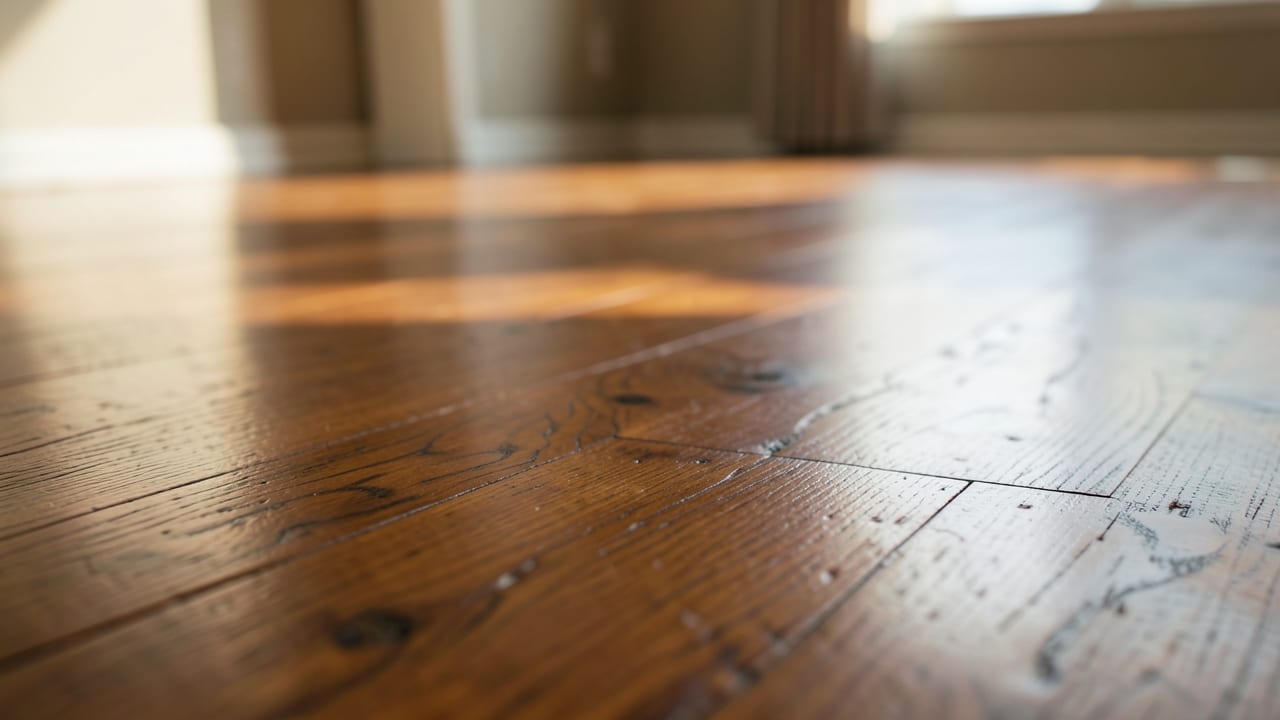
Flood Damage Mold Remediation
Professional mold removal and remediation after flood damage in homes.
Flood damage in Brookline, MA, often leads to hidden mold growth in walls, basements, and under flooring. Professional flood damage mold remediation involves containment, removal of contaminated materials, HEPA filtration, structural drying, and clearance testing to prevent regrowth and limit spore spread during the process.
When to call for remediation
Mold growth after flooding often exceeds what can be safely cleaned by a homeowner. Signs that professional remediation is needed include mold covering more than a small patch (typically over 25 square feet), persistent regrowth after cleaning, or a musty smell with no visible mold—indicating hidden contamination.
We also handle Stone Countertop Mold Removal and Glass Window Mold Removal for Brookline properties.
Floodwater can also introduce hidden moisture sources, like saturated framing or subfloors, that require industrial drying to prevent recurrence.
A musty odor that worsens when the HVAC runs may signal mold in ductwork, while visible mold in multiple rooms suggests widespread contamination. Without containment and proper removal, spores can spread to unaffected areas, turning a contained job into a larger, more expensive problem.
Addressing moisture sources—like leaks, poor grading, or condensation—is critical to prevent regrowth after remediation.
Signs You Need Professional Flood Damage Mold Remediation
- Mold covering more than 25 contiguous square feet (a common threshold for professional work).
- Visible mold that keeps returning after cleaning, often due to an unresolved moisture source.
- A musty smell with no visible mold, suggesting hidden growth in walls, under flooring, or in ductwork.
- Water damage extending beyond surface materials (e.g., saturated drywall, subfloors, or insulation).
- Containment breaches during DIY attempts, such as spores spreading to other rooms via HVAC or open doors.
What affects cost and timeline
The cost of flood damage mold remediation in Brookline varies based on the size of the affected area, the type of materials contaminated, and whether black mold (Stachybotrys) is confirmed.
Porous materials like drywall and carpet padding are typically removed rather than cleaned, while non-porous surfaces like tile or framing may be treated. Structural drying with industrial dehumidifiers and air movers adds time and cost to ensure moisture levels return to normal before containment is removed.
Clearance testing by an independent lab is often priced separately and is essential to confirm spore levels are back to normal. Jobs that uncover hidden moisture sources—like saturated framing or basement flooding—may require additional drying or repairs, extending both timeline and cost.
Comparing quotes should focus on whether containment, removal, drying, and testing are included, as omitting these can lead to incomplete results.
What to ask before hiring
Not all quotes for flood damage mold remediation include the same services, which can make comparing bids difficult. Ask whether the estimate covers inspection, containment, removal, drying, and clearance testing—or if these are added later.
A written scope of work is critical to avoid unexpected costs, as change orders after demolition begins are a common source of disputes. Additionally, confirm whether the contractor is registered as a Home Improvement Contractor (HIC) in Massachusetts, as this is required for jobs exceeding $1,000.
Inquire about post-remediation steps, such as fixing moisture sources (leaks, grading, or airflow issues) to prevent recurrence. Some contractors separate remediation (removing mold) from prevention (fixing the cause), and both are necessary for long-term results.
Finally, ask whether an independent lab will perform clearance testing to verify the job is complete, as this step is often omitted in lower-cost bids.
| Question to Ask | Why It Matters |
|---|---|
| Does the estimate include inspection, containment, removal, drying, and clearance testing? | Omits key steps can lead to incomplete remediation and higher long-term costs. |
| Is a written scope of work provided before any work starts? | Protects against unexpected costs or omitted services once demolition begins. |
| Will a third-party lab test confirm clearance after remediation? | Independent testing ensures the job is truly complete, not just visually. |
| Does the quote specify the square footage or area being treated? | Vague estimates make it hard to compare bids accurately. |
| Has the contractor confirmed HIC registration with the Massachusetts state board? | Ensures compliance with state requirements for jobs over $1,000. |
How flood damage mold remediation works
Professional remediation follows a structured process to safely remove mold and prevent regrowth.
- 1Containment Setup
Plastic sheeting and negative-air machines seal off the work area to prevent spores from spreading to unaffected parts of the home. This step is critical before any materials are disturbed.
- 2Removal of Contaminated Materials
Porous materials like drywall, insulation, and carpet padding—where mold grows deep into the fibers—are cut out and bagged inside containment. Non-porous surfaces like tile or framing are scrubbed and treated rather than discarded.
- 3HEPA Filtration and Cleanup
HEPA-filtered air scrubbers run continuously during the job, and surfaces are vacuumed with HEPA-equipped tools to capture spores. Standard shop vacuums or non-HEPA filters recirculate spores, worsening contamination.
- 4Structural Drying
Industrial dehumidifiers and air movers dry framing, subfloors, and other structural materials to normal moisture levels. Mold regrows on damp surfaces even after visible traces are removed.
- 5Clearance Testing
An independent lab tests air or surfaces for remaining spores after remediation. Results confirm whether spore levels are back to normal before containment is removed.
Frequently asked questions
How do I know if my flood damage mold is past the DIY stage?
Mold covering more than 25 square feet, persistent regrowth after cleaning, or hidden contamination (indicated by musty smells or HVAC-related odors) are clear signs professional remediation is needed. Floodwater can also saturate hidden materials like framing or subfloors, requiring industrial drying.
Will remediation fix the musty smell if I can’t see any mold?
A musty smell often signals hidden mold in walls, under flooring, or inside ductwork. Remediation may involve opening walls or ceilings to locate and treat the source, but fixing moisture issues (like leaks or poor airflow) is equally important to prevent the smell from returning.
How long does it take to dry structural materials after flood damage?
Structural drying with industrial dehumidifiers and air movers typically takes 3–7 days, depending on the size of the affected area and humidity levels. Materials must reach normal moisture readings before containment is removed to prevent mold regrowth.
Do I need to be home during the remediation process?
You can usually return home during standard business hours, but containment may require limiting access to the work area. The crew will provide guidance on when it’s safe to re-enter fully, often after clearance testing confirms spore levels are normal.
Where Brookline sits, and what the Census lists nearby
Brookline sits in Massachusetts, and the closest places listed in the U.S. Census Gazetteer are Newton (3.4 miles west), Watertown Town (3.6 miles northwest), Cambridge (3.8 miles north), Somerville (5.1 miles northeast). Within 25 miles of Brookline the same source lists 80 distinct incorporated places and census-designated places.
Those figures matter for flood damage mold remediation because they are straight-line distances between Census coordinate points: road mileage between Brookline and Newton runs longer than the 3.4 miles shown, which is why quotes for the same job differ between towns that look close together on a map.
Source: U.S. Census Bureau Gazetteer.
See Quincy, MA for more, or explore the rest of our Brookline lineup in detail for our complete lineup.
Ready to get started?
Talk to a local mold remediation pro in Brookline — get a written quote.
Other Mold Remediation Services in Brookline
Stone Countertop Mold Removal in Brookline, MA
Professional removal of mold from stone countertops using specialized cleaning and treatment methods.
Learn More
Glass Window Mold Removal in Brookline, MA
Professional removal of mold from glass windows and frames to restore clarity and prevent spread.
Learn More
Stairwell Mold Remediation in Brookline, MA
Professional mold removal and prevention in stairwells to restore safe, clean spaces.
Learn More
Sunroom Mold Remediation in Brookline, MA
Professional removal and treatment of mold in sunrooms to restore a safe, clean space.
Learn More
Closet Mold Cleanup in Brookline, MA
Professional cleanup and removal of mold from closets to restore safe, healthy spaces.
Learn More
Hallway Mold Remediation in Brookline, MA
Professional removal and treatment of mold growth in residential hallways.
Learn MoreCommon Questions About Mold Remediation in Brookline
Everything you need to know about mold remediation services in Brookline
How much does Flood Damage Mold Remediation typically cost in Brookline, MA?
Why does Brookline, MA's humidity make mold a bigger risk than in drier regions?
Is a final clearance test part of a typical mold remediation job?
How does mold remediation actually prevent the problem from coming back?
Can mold growing inside HVAC ductwork spread to the rest of a home?
Does mold mean the same thing as mildew?
Need Mold Remediation in Brookline?
Connect with local providers in Brookline for a detailed quote.
⏰ We answer your call • Serving all of Brookline and surrounding areas