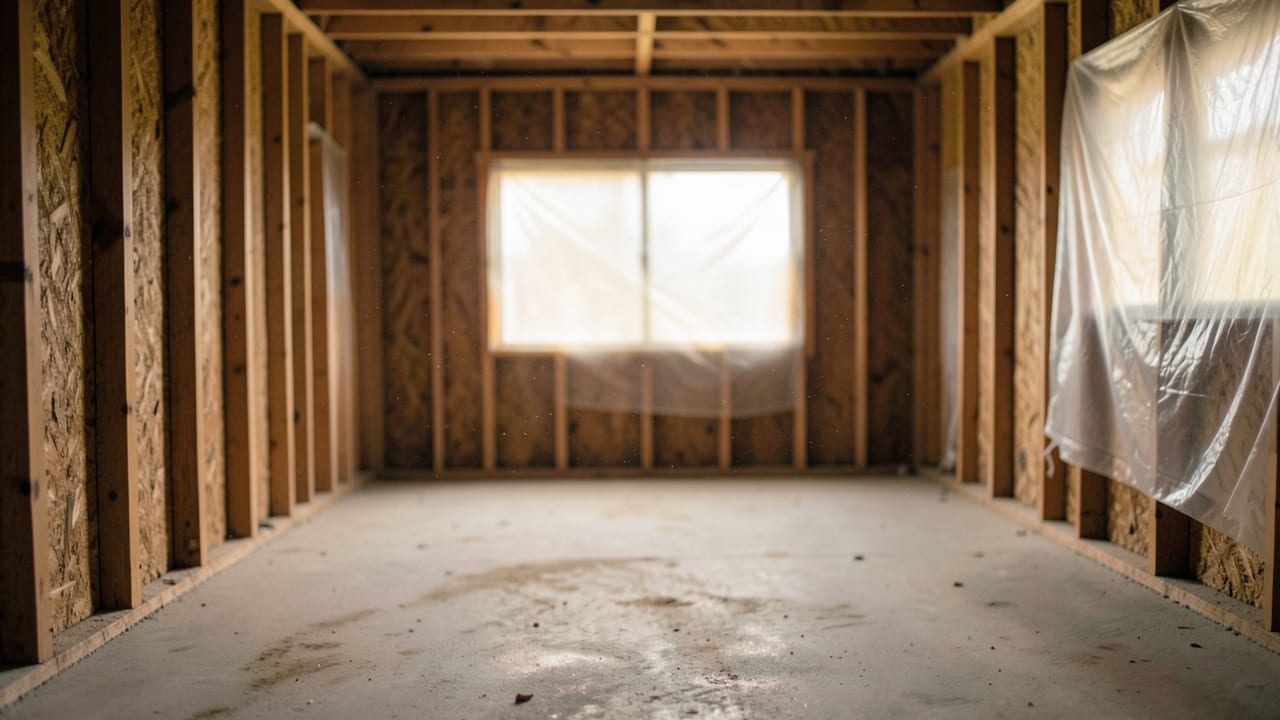
Mold Removal & Remediation
Mold removal and remediation in Brookline, MA — containment, HEPA filtration, and removal of affected material following industry (IICRC S520) protocol.
In Brookline, MA, mold removal and remediation involves the physical extraction of mold and compromised materials, not just surface cleaning. Our IICRC S520-compliant process ensures safe, thorough containment and restoration, addressing growth caused by leaks, storms, or humidity common to the area.
Why Professional Mold Remediation Matters in Brookline
Brookline’s older homes and humid climate create ideal conditions for hidden mold growth behind walls, under flooring, or in basements. Surface cleaning or painting over visible spots won’t address the roots embedded in porous materials like drywall or insulation.
We also handle Crawl Space & Basement Mold Remediation and Attic Mold Remediation for Brookline properties.
Our IICRC S520-certified process ensures spores are contained and removed, not spread. Physical barriers and negative air pressure with HEPA filtration prevent cross-contamination during work, protecting your home and health.
Signs You May Need Mold Remediation
- Visible black, green, or white spots on walls, ceilings, or baseboards
- Musty odors in basements, attics, or bathrooms that persist after cleaning
- Water stains or discoloration on drywall, insulation, or carpet padding
- Recent water damage from leaks, floods, or high humidity
- Allergy-like symptoms (sneezing, itchy eyes) that improve when away from home
What Affects Mold Remediation Costs and Timing
Pricing depends on the extent of growth, the type of materials affected, and how much needs removal and replacement. Porous materials like drywall and insulation are typically replaced, while non-porous surfaces are treated with antimicrobials and HEPA-vacuumed.
Call for an inspection and firm quote. Our team assesses the scope, containment needs, and clearance testing to provide transparent pricing upfront.
| Factor | Impact on Cost/Timing |
|---|---|
| Size of affected area | Larger areas or widespread growth increase labor and material costs |
| Material type (porous vs. non-porous) | Porous materials (drywall, insulation) require removal; non-porous (tile, concrete) are treated |
| Accessibility | Hard-to-reach areas (attics, crawl spaces) may require additional containment and labor |
| Clearance testing | Post-remediation testing ensures spores are at safe levels before reconstruction |
| Source of moisture | Ongoing leaks or humidity must be addressed to prevent recurrence |
How Mold Removal & Remediation Works
Our process follows IICRC S520 standards to ensure safe, effective results.
- 1Containment Setup
The affected area is sealed off with physical barriers and placed under negative air pressure using HEPA filtration to prevent spores from spreading during work.
- 2Material Removal
Porous materials with significant growth (drywall, insulation, carpet padding) are carefully removed and disposed of. Non-porous surfaces are treated with antimicrobial solutions.
- 3HEPA Vacuuming & Cleaning
All surfaces in the contained area are HEPA-vacuumed to remove residual spores, followed by a thorough cleaning with antimicrobial agents.
- 4Clearance Testing
Post-remediation air and surface testing confirms spore levels are within safe limits before containment is removed and reconstruction begins.
Frequently Asked Questions
Can I just clean the mold myself with bleach?
Surface cleaning with bleach or other household products only removes visible mold. It doesn’t address growth embedded in porous materials or spores that may have spread. Professional remediation ensures thorough removal and containment.
How long does mold remediation take?
Most residential projects take 1–3 days, depending on the size of the affected area, the materials involved, and whether clearance testing is required. Larger or more complex jobs may take longer.
Will my homeowners insurance cover mold remediation?
Coverage varies by policy and the cause of the mold. Many policies cover remediation if the mold results from a sudden, accidental event like a burst pipe. Long-term humidity or neglected leaks are often excluded. Check your policy or call your insurer for details.
Is mold remediation safe for my family and pets?
Yes. Our containment and filtration systems ensure spores are captured and not released into other parts of your home. We use PPE and follow IICRC S520 safety protocols to protect your household during and after the process.
See Arlington, MA for more, or see our full crew's Brookline services across the area for our complete lineup.
Ready to get started?
Talk to a local mold remediation pro in Brookline — get a written quote.
Other Mold Remediation Services in Brookline
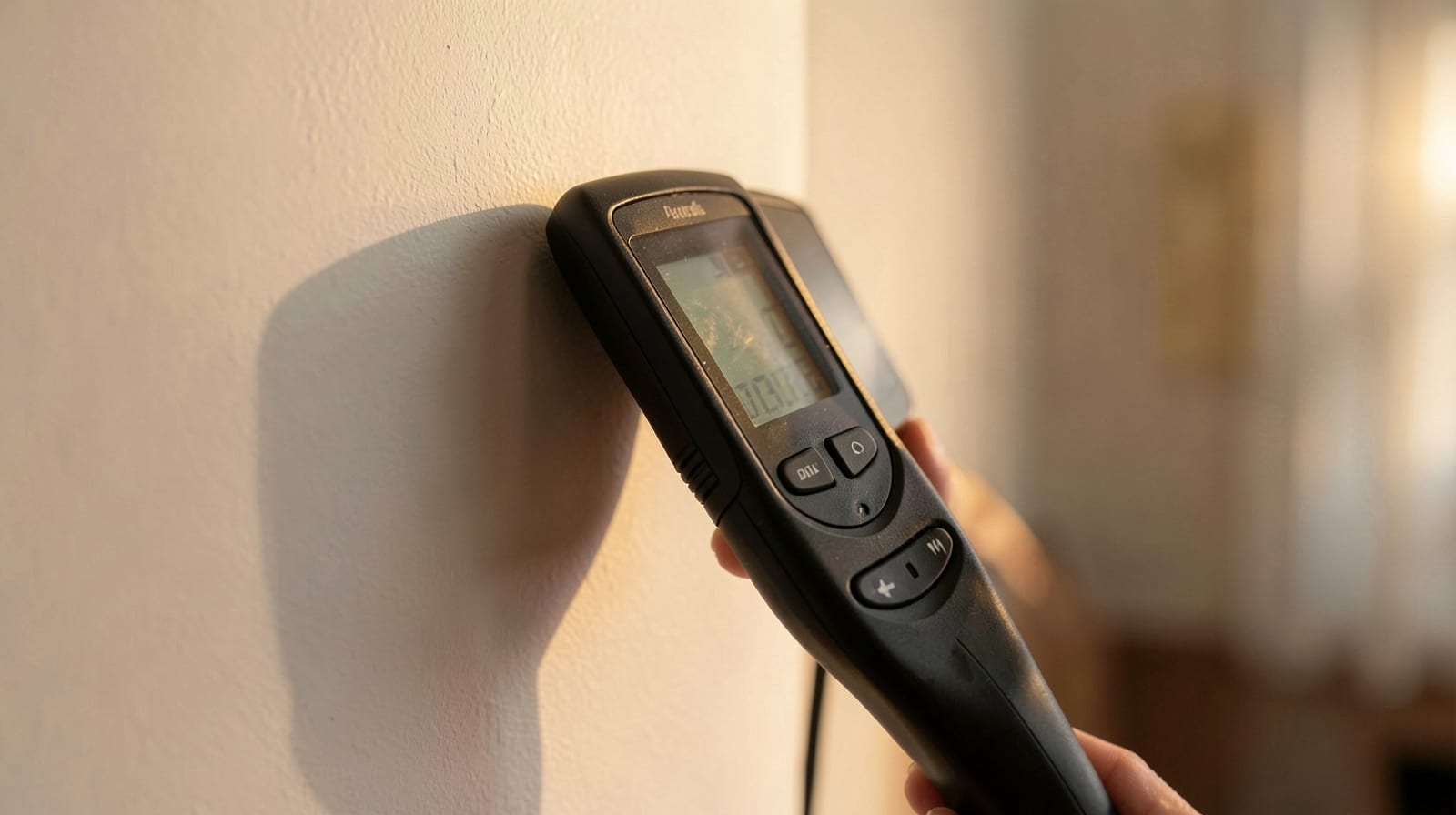
Crawl Space & Basement Mold Remediation in Brookline, MA
Crawl space and basement mold remediation in Brookline, MA addresses the two areas of a property most prone to trapped, unnoticed moisture.
Learn More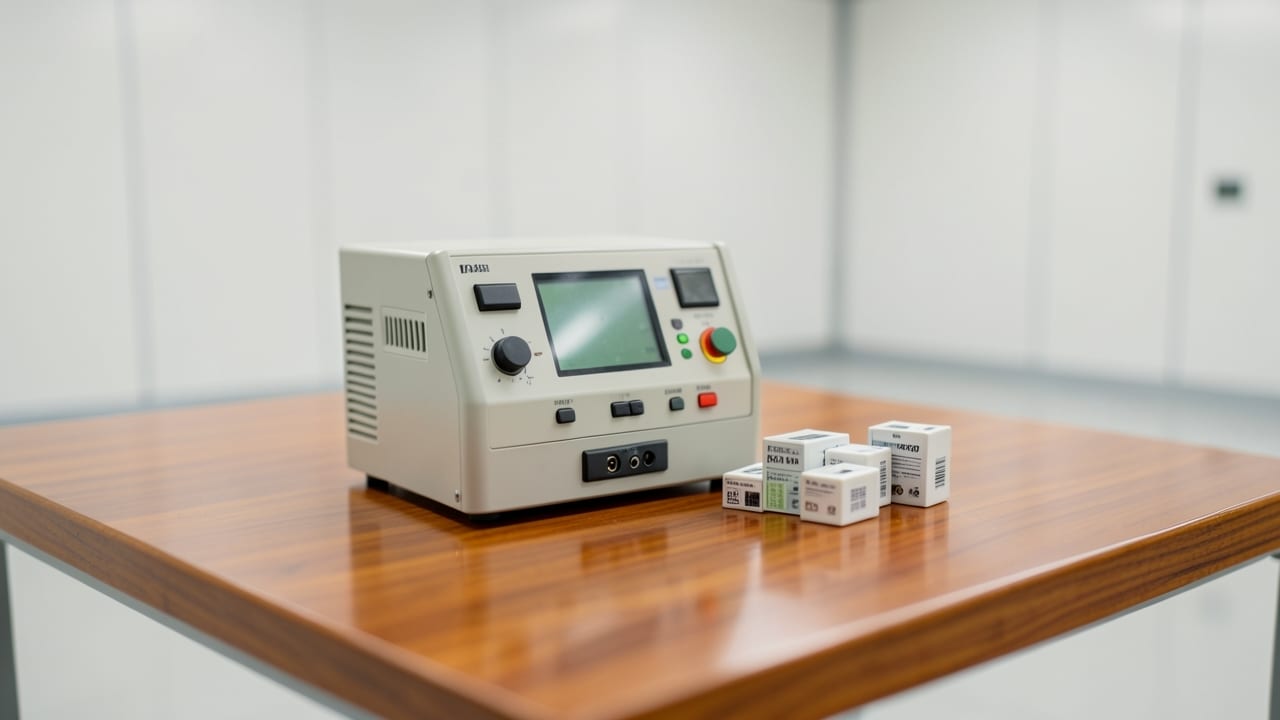
Attic Mold Remediation in Brookline, MA
Attic mold remediation in Brookline, MA addresses roof-deck growth typically caused by poor ventilation or a hidden roof leak.
Learn More Commercial Mold Remediation in Brookline, MA
Commercial mold inspection and remediation in Brookline, MA for offices, retail space, and multi-unit properties, scheduled around business operations.
Learn More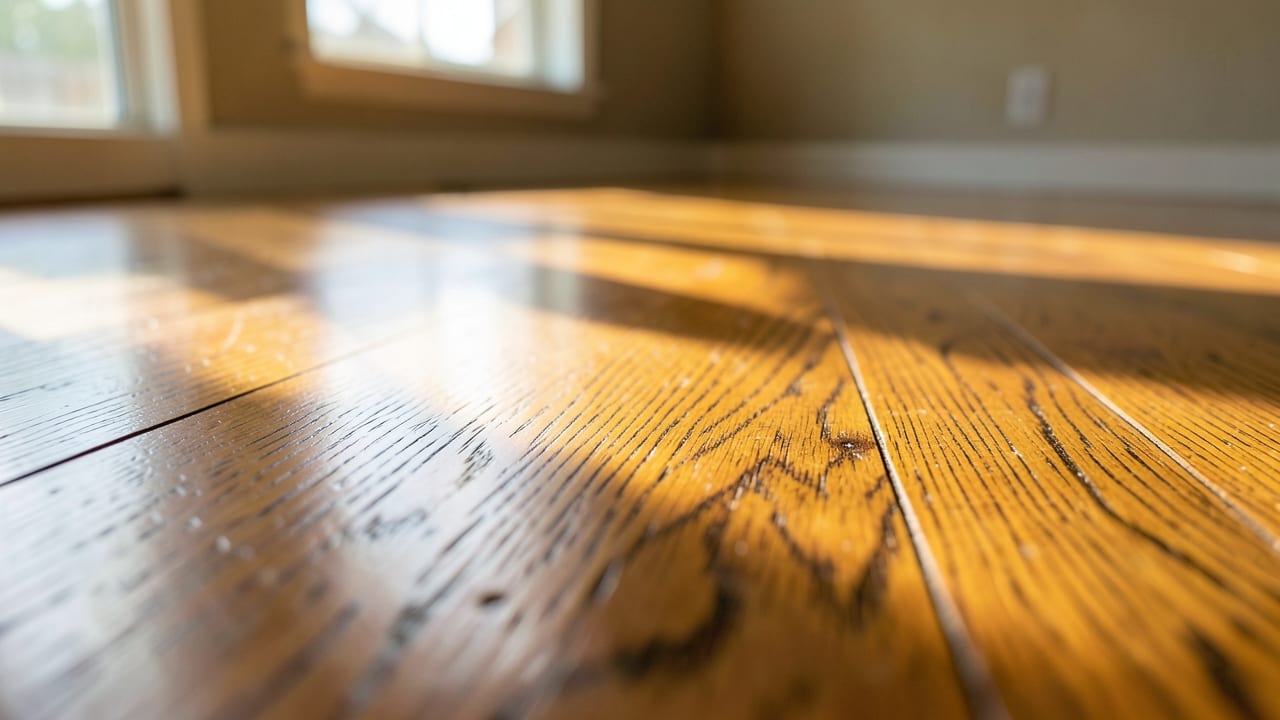
Mold Prevention & Moisture Control in Brookline, MA
Mold prevention and moisture control in Brookline, MA — addressing ventilation, humidity, and drainage before growth starts, not after.
Learn More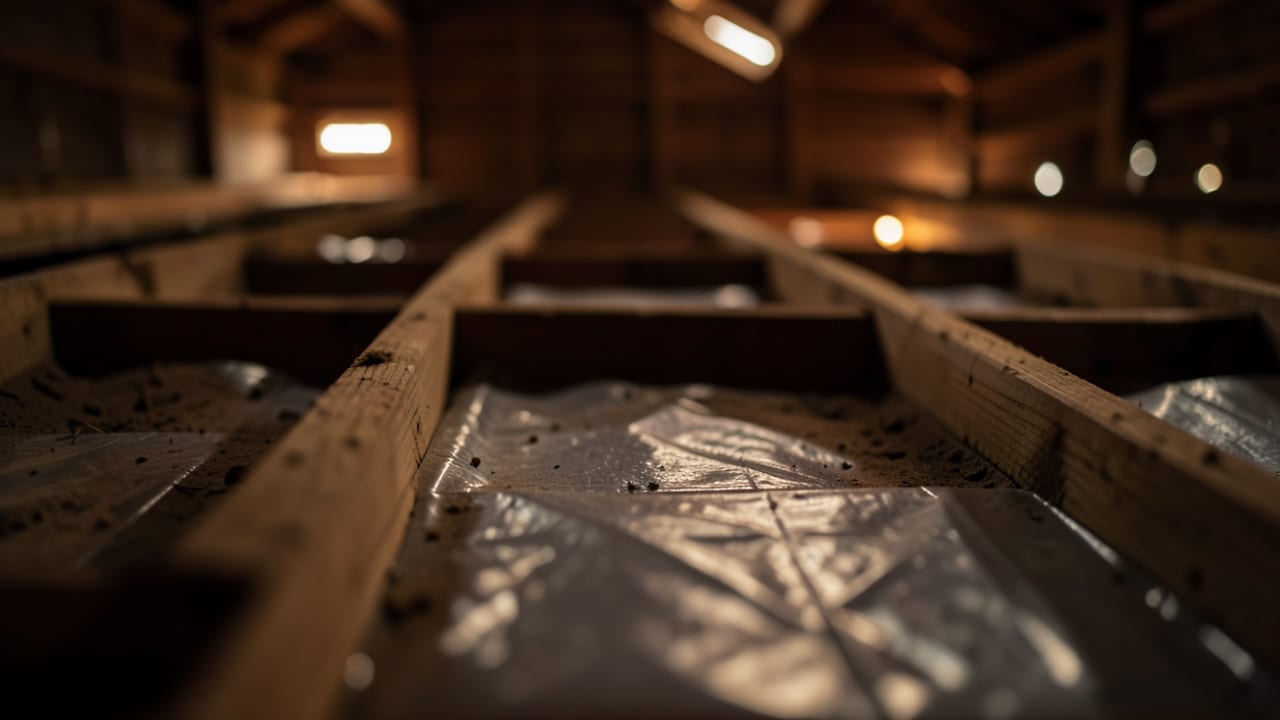
Mold & Asbestos Testing in Brookline, MA
Combined mold and asbestos testing in Brookline, MA — one inspection visit, lab-verified results for both.
Learn More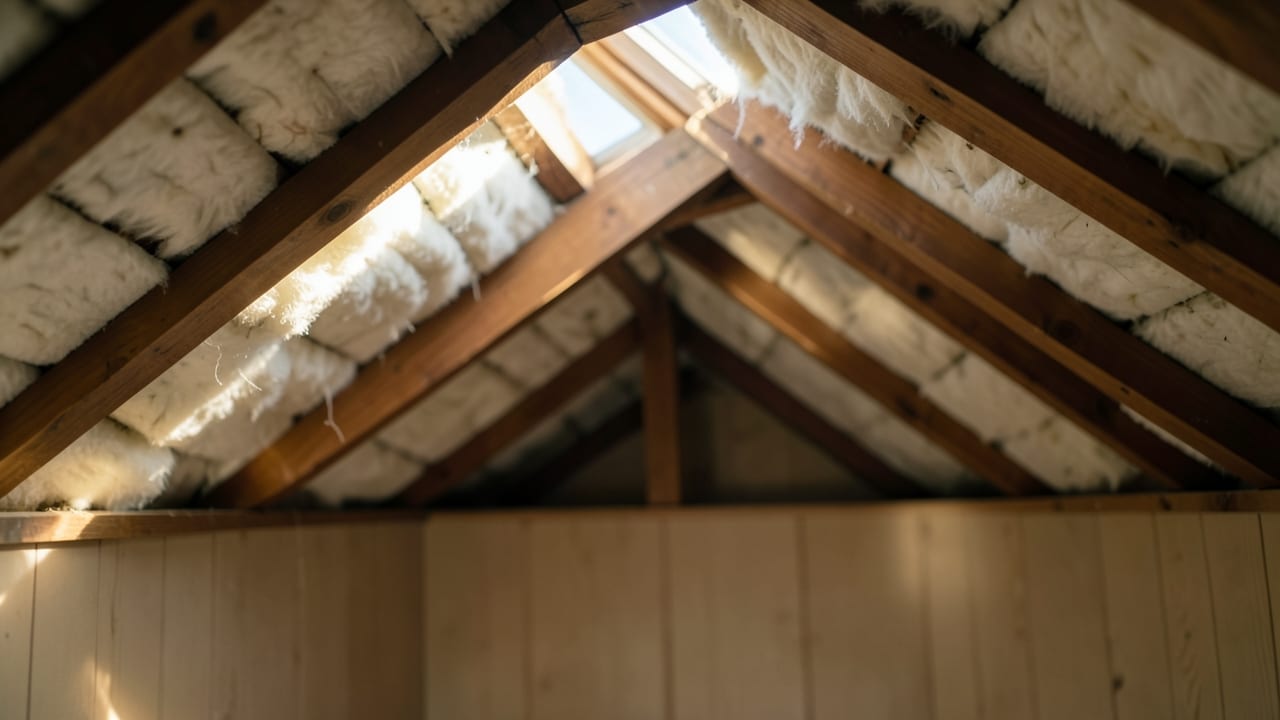
HVAC Mold Remediation in Brookline, MA
HVAC and ductwork mold remediation in Brookline, MA — mold growing inside the air handler or duct system, spreading through every vent.
Learn MoreCommon Questions About Mold Remediation in Brookline
Everything you need to know about mold remediation services in Brookline
How much does Mold Removal & Remediation typically cost in Brookline, MA?
Why does Brookline, MA's humidity make mold a bigger risk than in drier regions?
Is a final clearance test part of a typical mold remediation job?
How does mold remediation actually prevent the problem from coming back?
Can mold growing inside HVAC ductwork spread to the rest of a home?
Does mold mean the same thing as mildew?
Need Mold Remediation in Brookline?
Connect with local providers in Brookline for a detailed quote.
⏰ We answer your call • Serving all of Brookline and surrounding areas