Apartment Mold Remediation
Professional mold removal and remediation for apartments to restore safe living conditions.
Apartment mold remediation in Brookline, MA, addresses hidden growth behind walls, under flooring, and in HVAC systems by containing spores, removing contaminated materials, and treating surfaces to prevent regrowth.
Proper containment and HEPA filtration are critical to avoid spreading spores to unaffected areas, while fixing the moisture source is the only way to stop mold from returning.
We also handle Pet Urine Mold Treatment and Pest Infestation Mold Remediation for Brookline properties.
When to call for remediation
Mold covering more than a small patch, recurring after cleaning, or hidden behind walls or under flooring signals it’s time for professional remediation. A musty smell that worsens with the HVAC running may mean mold is growing in ductwork or behind surfaces.
Without addressing the moisture source, mold will return within months.
In Massachusetts, mold work exceeding $1,000 falls under the Home Improvement Contractor (HIC) registration requirement, ensuring the provider follows state consumer-protection rules. Always verify registration with the Office of Consumer Affairs and Business Regulation before hiring.
Signs You Need Professional Remediation
- Mold growth covers more than 25 contiguous square feet (Massachusetts threshold for professional work).
- Mold keeps returning in the same spot after cleaning, indicating a hidden moisture source.
- A musty smell persists even after cleaning, suggesting hidden growth behind walls or under flooring.
- Mold is visible in HVAC vents, ductwork, or areas with poor airflow (closets, basements).
- The affected area feels damp or has visible water damage, even after drying attempts.
What affects pricing and timing?
Pricing depends on the size of the affected area, the type of materials involved (porous vs. non-porous), and whether hidden moisture sources require additional work. Containment, HEPA filtration, and clearance testing are standard steps that influence cost.
Complex jobs, such as those involving structural drying or HVAC system treatment, may take longer.
A written scope of work and third-party clearance testing help ensure the job is completed thoroughly. Always confirm whether the estimate includes inspection, containment, remediation, and post-work testing—or if those are priced separately.
After remediation: preventing recurrence
Even after mold is removed, fixing the moisture source—such as leaks, condensation, or poor ventilation—is critical to prevent regrowth. Rooms that stay damp, like windowless bathrooms or basements, may need a small fan or dehumidifier to maintain airflow.
Outside, grading issues or downspouts directing water toward the foundation can reintroduce moisture.
Checking humidity levels in the treated area for the first year helps catch early signs of recurrence before they spread. If mold returns, the original moisture problem likely wasn’t fully addressed.
| Moisture Source | How to Fix It | Prevention Tip |
|---|---|---|
| Leaking pipes or roofs | Repair leaks and replace damaged materials | Inspect plumbing and roofing annually |
| Condensation on cold surfaces | Improve ventilation or use dehumidifiers | Run exhaust fans in bathrooms/kitchens |
| Poor outdoor drainage | Adjust grading or redirect downspouts away from the foundation | Check gutters and downspouts after heavy rain |
How apartment mold remediation works
Professional remediation follows a structured process to safely remove mold and prevent spores from spreading.
- 1Containment Setup
Plastic sheeting and negative-air machines seal the work area to trap spores inside. Doors and vents are blocked to prevent cross-contamination into unaffected rooms.
- 2Material Removal and Cleaning
Porous materials like drywall or insulation are cut out and bagged, while non-porous surfaces are scrubbed and treated. HEPA vacuums and air scrubbers capture loose spores during the process.
- 3Structural Drying
Industrial dehumidifiers and air movers dry framing and subfloors to normal moisture levels before containment is removed, reducing the risk of hidden regrowth.
- 4Clearance Testing
An independent lab tests air or surfaces for mold spores post-remediation. Results confirm spore levels are back to normal before the area is considered safe.
- 5Moisture Source Fix
The root cause—such as leaks, condensation, or poor drainage—is addressed to prevent future mold. Without this step, mold is likely to return.
Frequently asked questions
Can I clean small mold patches myself, or should I call a professional?
Small, isolated patches (under 25 sq. ft.) can often be cleaned with vinegar or a bleach solution, but hidden growth or recurring mold requires professional remediation to avoid spreading spores.
How do I know if mold is still there after remediation?
Post-remediation clearance testing by an independent lab is the only way to confirm mold levels are back to normal. A musty smell or visible regrowth within months suggests the moisture source wasn’t fully addressed.
Will my insurance cover mold remediation?
Coverage depends on the cause—insurance typically covers sudden water damage (like a burst pipe) but may exclude gradual issues (like chronic humidity). Check your policy or consult an agent before assuming coverage.
How long does it take to remediate mold in an apartment?
Simple jobs may take 1–2 days, while larger or complex remediations (involving structural drying or HVAC treatment) can take 3–7 days. Containment and testing add time to the process.
Where Brookline sits, and what the Census lists nearby
Brookline sits in Massachusetts, and the closest places listed in the U.S. Census Gazetteer are Newton (3.4 miles west), Watertown Town (3.6 miles northwest), Cambridge (3.8 miles north), Somerville (5.1 miles northeast). Within 25 miles of Brookline the same source lists 80 distinct incorporated places and census-designated places.
Those figures matter for apartment mold remediation because they are straight-line distances between Census coordinate points: road mileage between Brookline and Newton runs longer than the 3.4 miles shown, which is why quotes for the same job differ between towns that look close together on a map.
Source: U.S. Census Bureau Gazetteer.
See Wellesley, MA for more, or our Brookline team for our complete lineup.
Ready to get started?
Talk to a local mold remediation pro in Brookline — get a written quote.
Other Mold Remediation Services in Brookline
Pet Urine Mold Treatment in Brookline, MA
Professional removal of mold caused by pet urine in homes, including assessment and treatment.
Learn More
Pest Infestation Mold Remediation in Brookline, MA
Professional mold removal and remediation for pest-related infestations in homes.
Learn More
Pre-Winter Mold Prevention in Brookline, MA
Pre-winter mold prevention involves inspection and treatment to stop mold growth before cold weather.
Learn More
Move-In Mold Assessment in Brookline, MA
Professional inspection and assessment of mold presence before moving into a property.
Learn More
Pre-Sale Mold Clearance in Brookline, MA
Pre-sale mold clearance involves inspection and testing to confirm a property is mold-free before purchase.
Learn More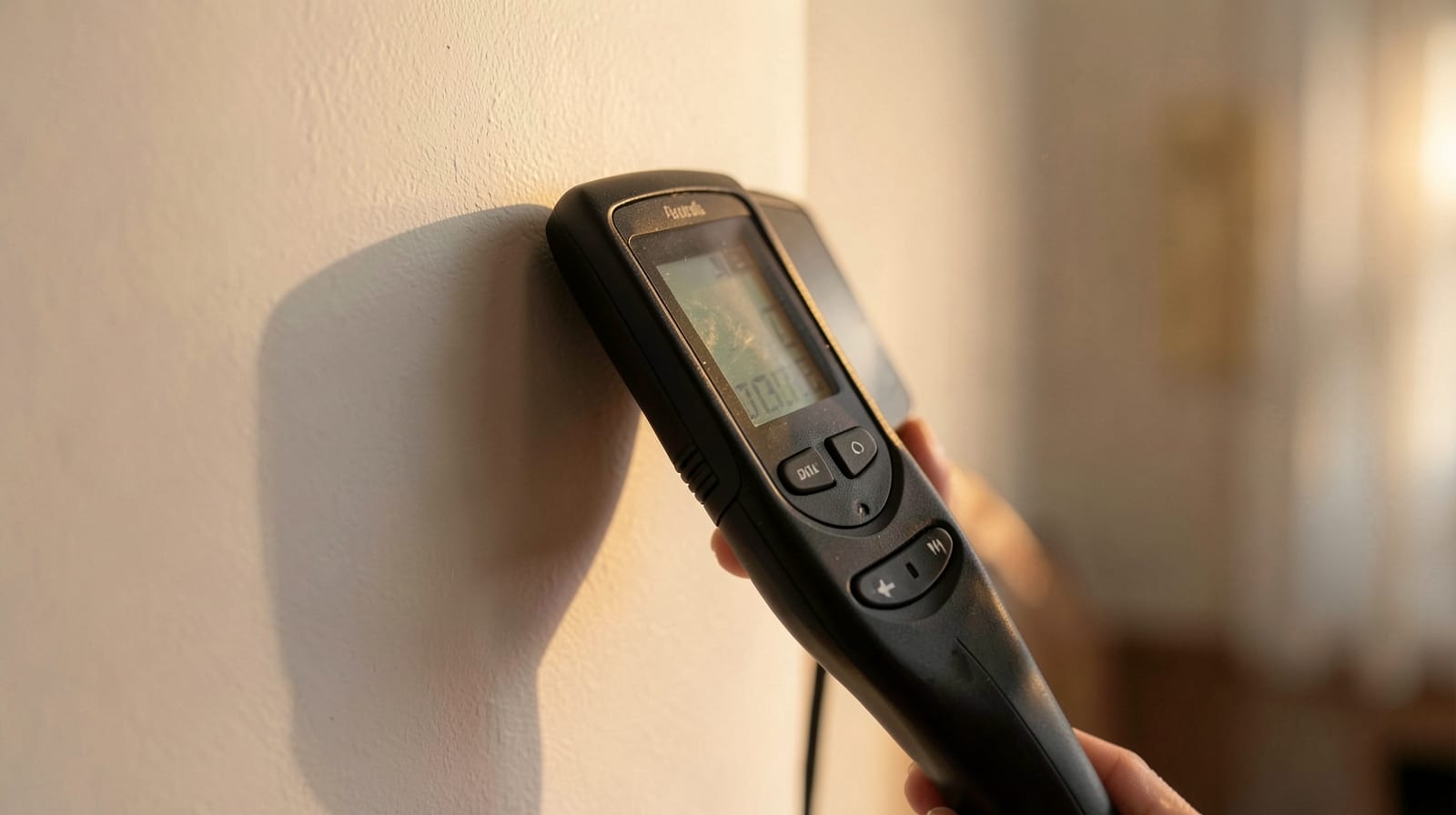
Mold Inspection in Brookline, MA
Mold inspection in Brookline, MA — a visual and moisture-meter assessment that finds the source of growth, not just the visible spot on the wall.
Learn MoreCommon Questions About Mold Remediation in Brookline
Everything you need to know about mold remediation services in Brookline
How much does Apartment Mold Remediation typically cost in Brookline, MA?
Why does Brookline, MA's humidity make mold a bigger risk than in drier regions?
Can small mold problems be handled without hiring anyone?
What's the actual difference between mold removal and mold remediation?
Is a final clearance test part of a typical mold remediation job?
How does mold remediation actually prevent the problem from coming back?
Need Mold Remediation in Brookline?
Connect with local providers in Brookline for a detailed quote.
⏰ We answer your call • Serving all of Brookline and surrounding areas