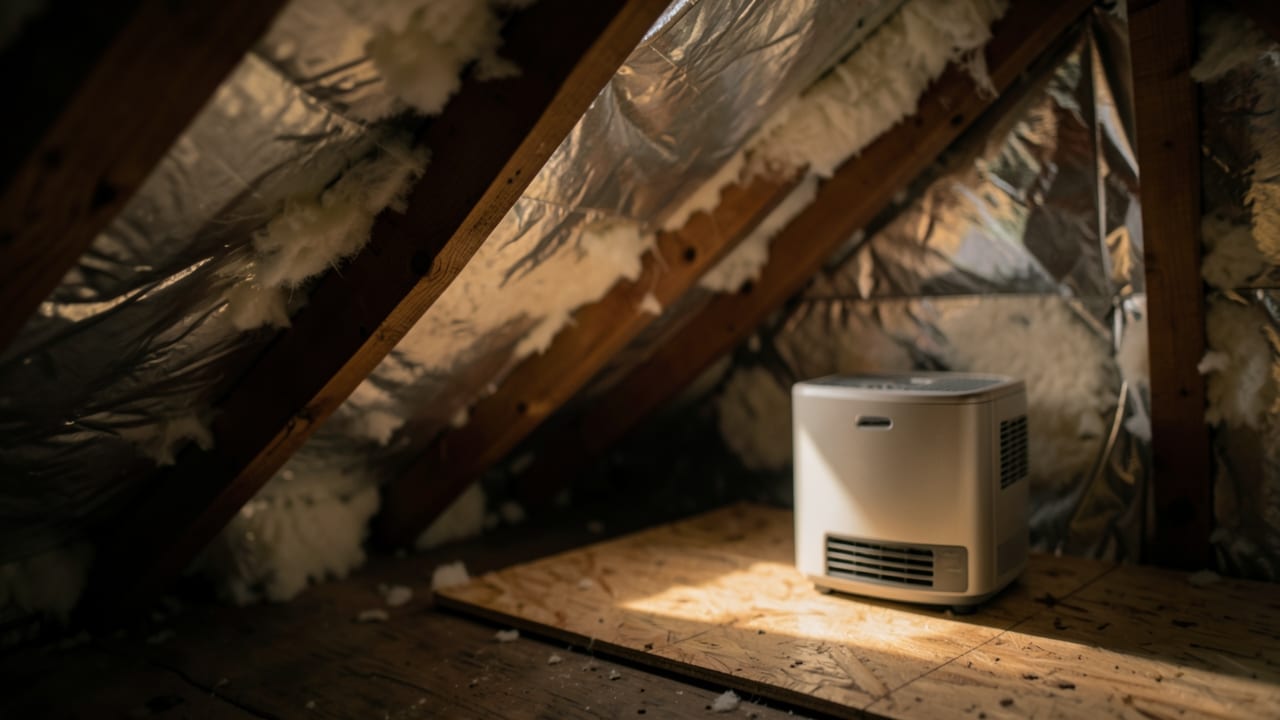
Pre-Winter Mold Prevention
Pre-winter mold prevention involves inspection and treatment to stop mold growth before cold weather.
As temperatures drop in Brookline, MA, the risk of mold growth rises in damp, poorly ventilated areas like attics, basements, and crawl spaces. Pre-winter mold prevention focuses on sealing leaks, improving airflow, and applying targeted treatments to vulnerable surfaces before moisture becomes a hidden problem.
This service helps homeowners avoid costly remediation later by addressing moisture sources and preventing mold before it starts.
We also handle Sunroom Mold Remediation and Closet Mold Cleanup for Brookline properties.
When to consider pre-winter mold prevention
Brookline’s humid climate and older homes with less modern insulation create ideal conditions for mold growth as winter approaches. Even small leaks or poor ventilation can lead to moisture buildup, which fuels mold.
If you’ve noticed persistent dampness, recurring musty odors, or visible mold patches, it’s time to act before cold weather traps moisture indoors.
Pre-winter is the best time to address these issues because sealing leaks and improving ventilation before temperatures drop helps maintain consistent humidity levels. This proactive approach can prevent mold from taking hold in hard-to-reach areas, saving you from more extensive—and expensive—remediation down the line.
Signs You Need Pre-Winter Mold Prevention
- Visible mold covering more than a small, isolated patch (typically over 25 square feet).
- Musty odors that worsen when the HVAC system runs, suggesting hidden growth in ducts or walls.
- Recurring mold in the same spot after cleaning, indicating an unresolved moisture source.
- Persistent dampness in windowless rooms, closets, or basements despite dehumidifiers.
- Peeling paint, warping wood, or discolored ceilings, which often signal hidden moisture problems.
What affects cost and timeline?
The scope of pre-winter mold prevention work varies depending on the size of the affected area, the severity of moisture issues, and the materials involved. For example, sealing leaks in an attic may require different tools and time than improving ventilation in a basement.
The goal is to address moisture sources before they lead to mold growth, which can change the approach needed.
Timing also plays a role, especially in Brookline’s seasonal climate. Early fall is ideal for sealing leaks and installing ventilation before heavy rains or freezing temperatures lock moisture into walls. However, if mold is already present, remediation may need to happen before winter to prevent spores from spreading indoors.
How to prepare your home for prevention work
Before a professional arrives, clear the work area of personal items, especially in basements, attics, or crawl spaces. This makes it easier to assess moisture sources and apply treatments.
If you’ve noticed specific areas with dampness or leaks, note them for the technician—this helps ensure they focus on those spots first.
Check your home’s humidity levels using a hygrometer; ideal indoor humidity is between 30–50%. If levels are consistently higher, a dehumidifier may be recommended as part of the prevention plan. Also, ensure outdoor gutters and downspouts are clear to prevent water from pooling near your foundation.
If your home has a musty smell that lingers even after cleaning, it may indicate hidden mold behind walls or under flooring. A professional inspection can pinpoint these areas before they worsen.
How pre-winter mold prevention works
- 1Inspection and Moisture Assessment
A professional inspects your home for leaks, poor ventilation, and hidden moisture sources. They use tools like moisture meters and thermal imaging to identify problem areas, especially in attics, basements, and crawl spaces.
- 2Sealing Leaks and Improving Ventilation
Leaks in roofs, windows, or pipes are sealed to prevent water intrusion. Ventilation systems, such as fans or dehumidifiers, are installed or adjusted to reduce humidity in damp areas, which helps prevent mold growth.
- 3Applying Preventive Treatments
Vulnerable surfaces, like wood framing or drywall, may receive antimicrobial treatments to inhibit mold spores. These treatments are designed to last but are most effective when combined with fixing moisture issues.
- 4Clearance Testing (If Needed)
If mold is already present, an independent lab test confirms spore levels return to normal after remediation. This step ensures the work was effective and helps prevent future regrowth.
Frequently asked questions
Can I handle pre-winter mold prevention myself, or should I hire a professional?
Small tasks like sealing minor leaks or improving ventilation can often be DIY projects. However, if you notice mold covering more than a small area, or if moisture problems keep returning, hiring a professional ensures the root cause is addressed and prevents hidden growth.
How long does pre-winter mold prevention take?
The timeline depends on the scope of work. Sealing leaks and improving ventilation in a single room may take a few hours, while larger projects—like addressing basement moisture or attic leaks—could require a full day or more.
Will pre-winter prevention stop mold from coming back?
Preventive measures reduce the risk of mold by fixing moisture sources and improving airflow. However, if new leaks or humidity issues arise later, mold can return. Regular checks and maintenance help maintain results.
Do I need to leave my home during the work?
If containment is used (such as plastic sheeting to isolate work areas), you may need to vacate the space temporarily. A professional will advise you on safety measures based on the scope of the work.
Where Brookline sits, and what the Census lists nearby
Brookline sits in Massachusetts, and the closest places listed in the U.S. Census Gazetteer are Newton (3.4 miles west), Watertown Town (3.6 miles northwest), Cambridge (3.8 miles north), Somerville (5.1 miles northeast). Within 25 miles of Brookline the same source lists 80 distinct incorporated places and census-designated places.
Those figures matter for pre-winter mold prevention because they are straight-line distances between Census coordinate points: road mileage between Brookline and Newton runs longer than the 3.4 miles shown, which is why quotes for the same job differ between towns that look close together on a map.
Source: U.S. Census Bureau Gazetteer.
See Dedham, MA for more, or take a look at how our Brookline crew can help from start to finish for our complete lineup.
Ready to get started?
Talk to a local mold remediation pro in Brookline — get a written quote.
Other Mold Remediation Services in Brookline
Sunroom Mold Remediation in Brookline, MA
Professional removal and treatment of mold in sunrooms to restore a safe, clean space.
Learn More
Closet Mold Cleanup in Brookline, MA
Professional cleanup and removal of mold from closets to restore safe, healthy spaces.
Learn More
Hallway Mold Remediation in Brookline, MA
Professional removal and treatment of mold growth in residential hallways.
Learn More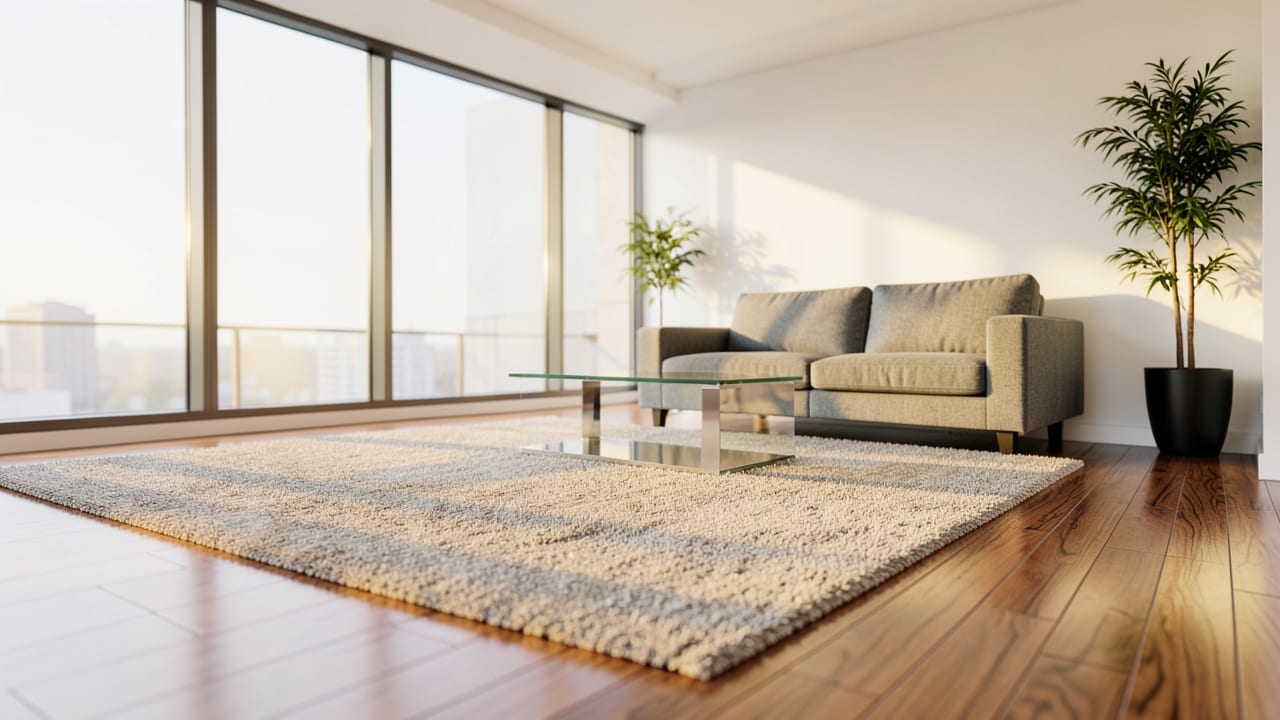
Condo Mold Remediation in Brookline, MA
Professional removal and treatment of mold in condominiums to restore safe, healthy living spaces.
Learn More
Clinic Mold Remediation in Brookline, MA
Professional mold removal and remediation to restore safe, healthy indoor spaces.
Learn More
Hotel Mold Remediation in Brookline, MA
Professional removal and treatment of mold growth in hotel properties to restore safe, clean environments.
Learn MoreCommon Questions About Mold Remediation in Brookline
Everything you need to know about mold remediation services in Brookline
How much does Pre-Winter Mold Prevention typically cost in Brookline, MA?
Why does Brookline, MA's humidity make mold a bigger risk than in drier regions?
Is a final clearance test part of a typical mold remediation job?
How does mold remediation actually prevent the problem from coming back?
Can mold growing inside HVAC ductwork spread to the rest of a home?
Does mold mean the same thing as mildew?
Need Mold Remediation in Brookline?
Connect with local providers in Brookline for a detailed quote.
⏰ We answer your call • Serving all of Brookline and surrounding areas