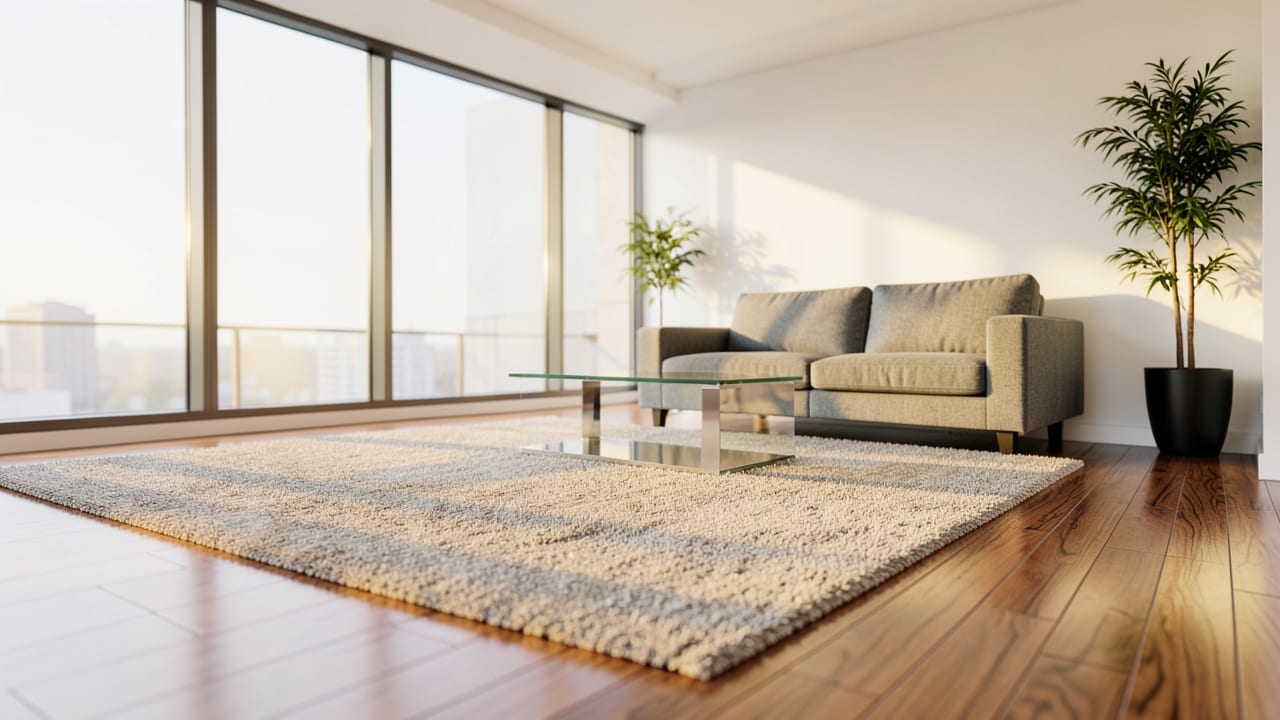
Condo Mold Remediation
Professional removal and treatment of mold in condominiums to restore safe, healthy living spaces.
Condo mold remediation in Brookline, MA addresses hidden or widespread mold growth in shared or individual units, using containment, removal, and moisture control to prevent recurrence. Proper ventilation and structural drying are critical to long-term results in the region's humid climate and older buildings.
The process follows strict protocols to protect unaffected areas and residents from airborne spores during removal.
We also handle Move-In Mold Assessment and Pre-Sale Mold Clearance for Brookline properties.
When mold remediation is needed
Mold growth in condos often starts small but can spread quickly if moisture sources remain unchecked. In Brookline’s older buildings, common signs include visible patches larger than a few square feet, recurring growth after cleaning, or persistent musty odors—especially in windowless rooms or near plumbing.
A musty smell that worsens when the HVAC runs may indicate hidden mold in ducts or walls.
Condo mold remediation becomes necessary when DIY cleaning fails to resolve the issue. Massachusetts does not require a standalone mold license for residential work, but any project exceeding $1,000 must involve a Home Improvement Contractor (HIC) registered with the state.
HIC registration ensures the contractor meets basic consumer protections, though it does not certify technical expertise.
Signs You Need Professional Remediation
- Mold covers more than 25 contiguous square feet (a common threshold for professional intervention).
- Growth returns within weeks after cleaning, signaling an unresolved moisture source.
- Musty odors persist with no visible mold, suggesting hidden growth in walls, ducts, or under flooring.
- The smell intensifies when the HVAC system is on, indicating mold in the ductwork.
- Residents experience health symptoms (coughing, allergies, or irritation) that improve when away from the unit.
What affects cost and timeline
Mold remediation in Brookline is priced per project, not by a flat rate, because every condo’s layout, moisture source, and material types vary. Containment, removal of porous materials, and clearance testing are typically billed separately.
Shared common areas (hallways, basements) may require coordination with other unit owners, adding time and labor costs.
The timeline depends on the size of the affected area, the need for structural drying, and whether hidden mold is discovered during demolition. Industrial dehumidifiers and air movers may run for days to bring moisture levels down before containment can be removed.
Clearance testing, performed by an independent lab, often adds 2–5 days to the process.
Prevention after remediation
Even after mold is removed, recurrence depends on fixing the moisture source—whether a leak, condensation, or poor ventilation. Rooms that stay damp, like windowless bathrooms or basements, benefit from small fans or dehumidifiers to prevent stagnant air.
Outside, grading that slopes toward the foundation or downspouts dumping near walls can reintroduce moisture.
Periodic humidity checks in the first year after remediation help catch early regrowth. Brookline’s humid summers and older building materials make consistent moisture monitoring especially important. Addressing both the mold and the conditions that caused it reduces the risk of repeat issues.
Use a hygrometer to monitor humidity in previously affected rooms—keeping levels below 50% helps prevent mold regrowth.
How condo mold remediation works
Professional remediation follows a structured process to contain spores, remove affected materials, and prevent recurrence.
- 1Containment Setup
Plastic sheeting and negative-air machines seal the work area to prevent spores from spreading during removal. All doors and vents are blocked, and HEPA air scrubbers run continuously to filter airborne particles.
- 2Material Removal
Porous materials like drywall and insulation, which absorb mold, are cut out and bagged inside containment. Non-porous surfaces (tile, framing) are scrubbed and treated rather than discarded.
- 3Structural Drying
Industrial dehumidifiers and air movers dry framing and subfloors to normal moisture levels before containment is removed. Damp materials left untreated can lead to regrowth.
- 4Clearance Testing
An independent lab tests air or surfaces for remaining spores. Results confirm the space meets safe levels before containment is dismantled and the area is released.
- 5Moisture Source Fix
The underlying cause—leaks, condensation, or poor ventilation—is addressed to prevent future mold. This step is critical for long-term results.
Frequently asked questions
Can I clean small mold patches myself, or should I call a professional?
Small, isolated patches (under 25 sq ft) can often be cleaned with detergent and water, but recurring growth or hidden mold requires professional remediation. DIY efforts may miss spores deep in materials or fail to address moisture sources, leading to faster regrowth.
How long does the remediation process take?
The timeline varies based on the size of the affected area and whether hidden mold is discovered. Containment, removal, and drying can take 3–7 days, with additional time for clearance testing. Complex cases may require longer.
Will my condo unit need to be vacated during remediation?
Occupants may need to relocate temporarily, especially if containment disrupts daily use of the unit. The crew will coordinate with you to minimize disruption and ensure safety during the process.
How do I know if the mold has been fully removed?
Independent clearance testing by a third-party lab confirms spore levels are back to normal. Without this step, there’s no way to verify whether the remediation was fully effective.
Where Brookline sits, and what the Census lists nearby
Brookline sits in Massachusetts, and the closest places listed in the U.S. Census Gazetteer are Newton (3.4 miles west), Watertown Town (3.6 miles northwest), Cambridge (3.8 miles north), Somerville (5.1 miles northeast). Within 25 miles of Brookline the same source lists 80 distinct incorporated places and census-designated places.
Those figures matter for condo mold remediation because they are straight-line distances between Census coordinate points: road mileage between Brookline and Newton runs longer than the 3.4 miles shown, which is why quotes for the same job differ between towns that look close together on a map.
Source: U.S. Census Bureau Gazetteer.
See Melrose, MA for more, or explore everything Brookline homeowners can book with us before booking for our complete lineup.
Ready to get started?
Talk to a local mold remediation pro in Brookline — get a written quote.
Other Mold Remediation Services in Brookline
Move-In Mold Assessment in Brookline, MA
Professional inspection and assessment of mold presence before moving into a property.
Learn More
Pre-Sale Mold Clearance in Brookline, MA
Pre-sale mold clearance involves inspection and testing to confirm a property is mold-free before purchase.
Learn More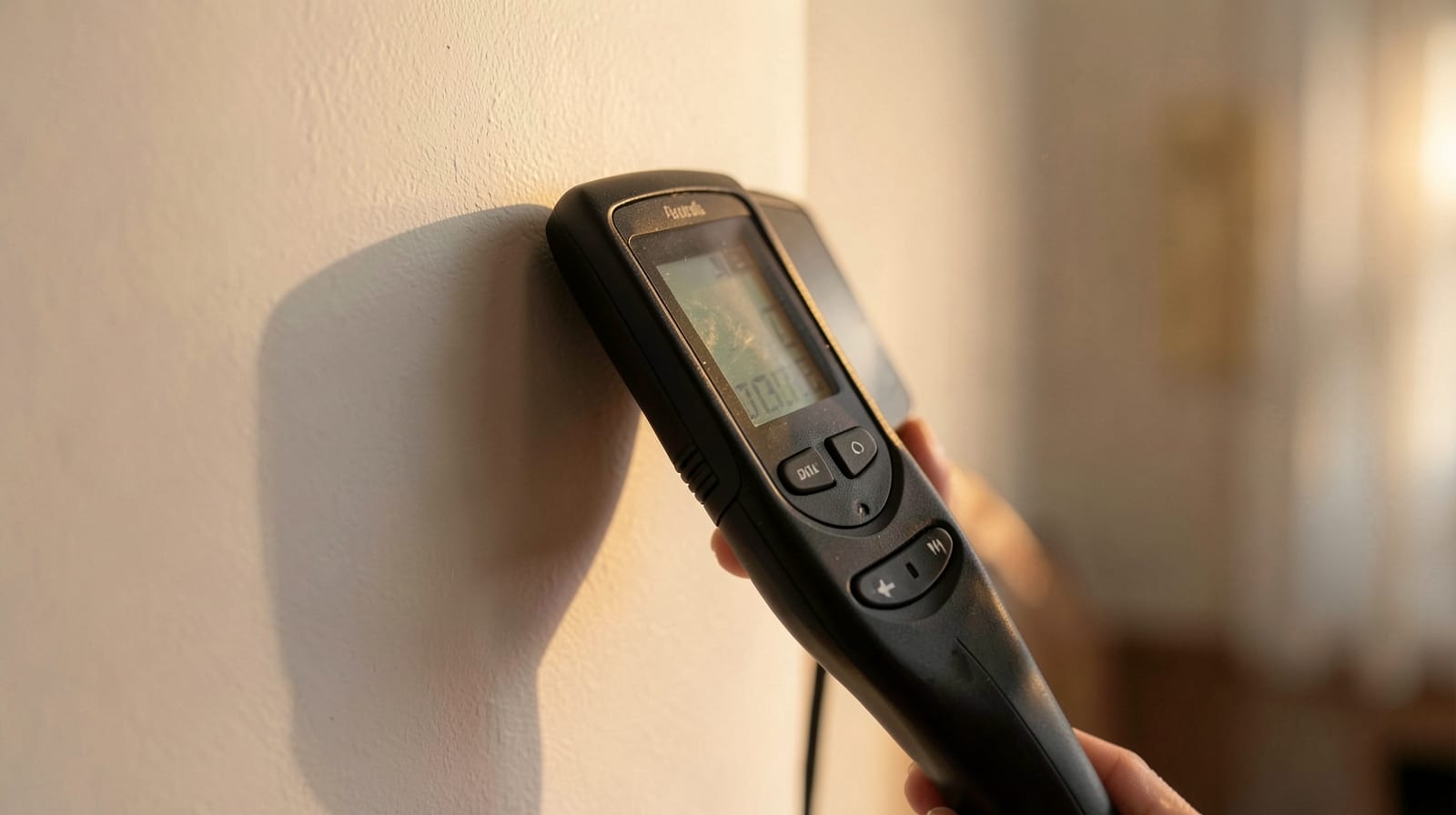
Mold Inspection in Brookline, MA
Mold inspection in Brookline, MA — a visual and moisture-meter assessment that finds the source of growth, not just the visible spot on the wall.
Learn More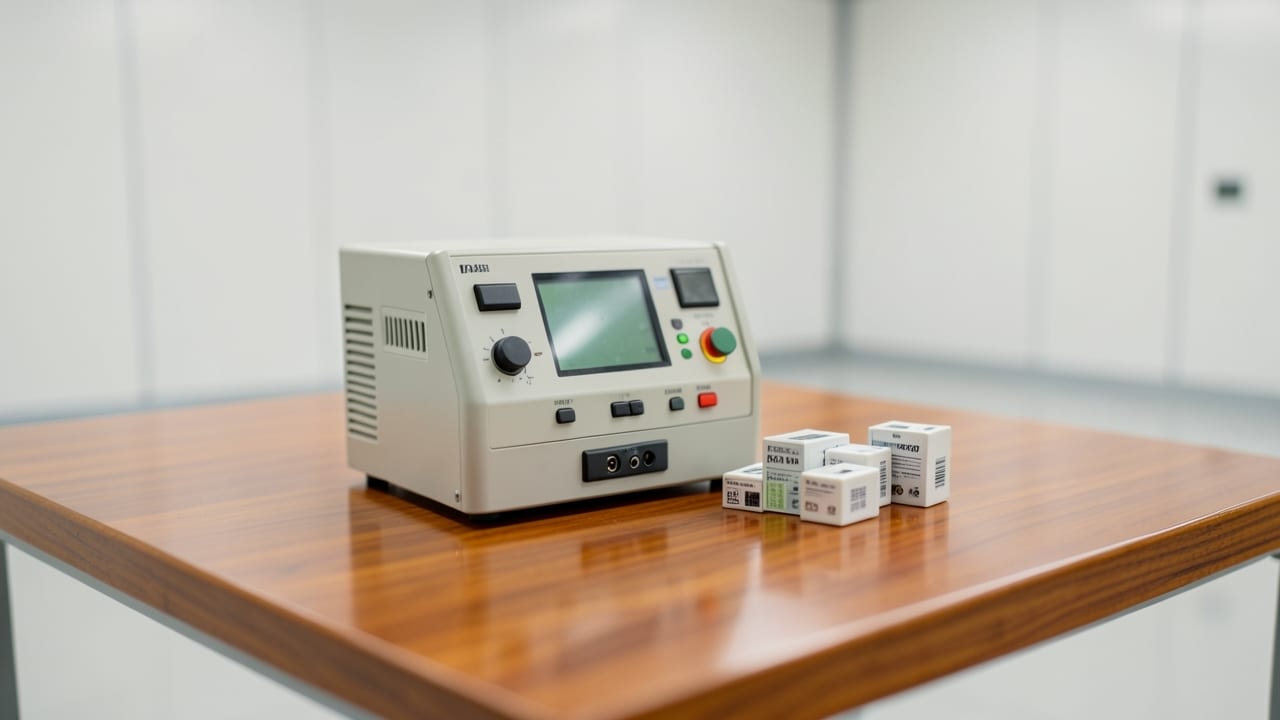
Mold Testing & Air Quality Testing in Brookline, MA
Mold and indoor air quality testing in Brookline, MA — lab-analyzed air and surface samples confirm what's actually growing and whether it's airborne.
Learn More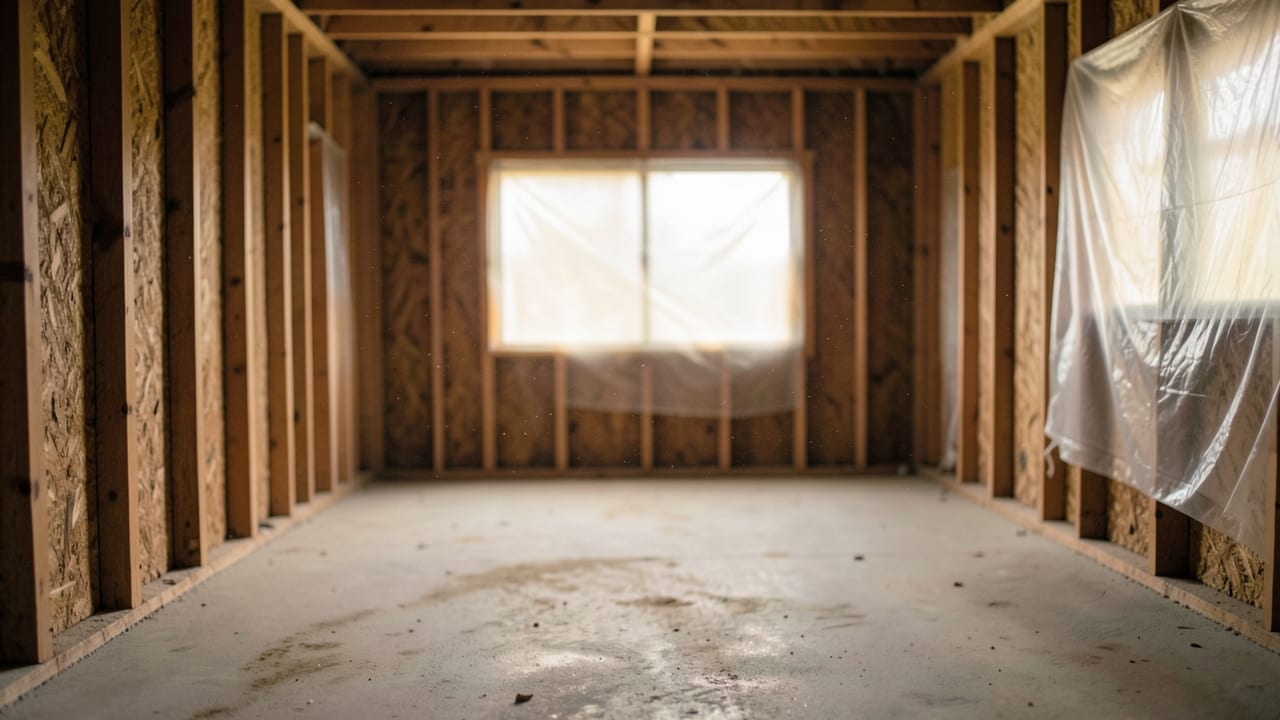
Mold Removal & Remediation in Brookline, MA
Mold removal and remediation in Brookline, MA — containment, HEPA filtration, and removal of affected material following industry (IICRC S520) protocol.
Learn More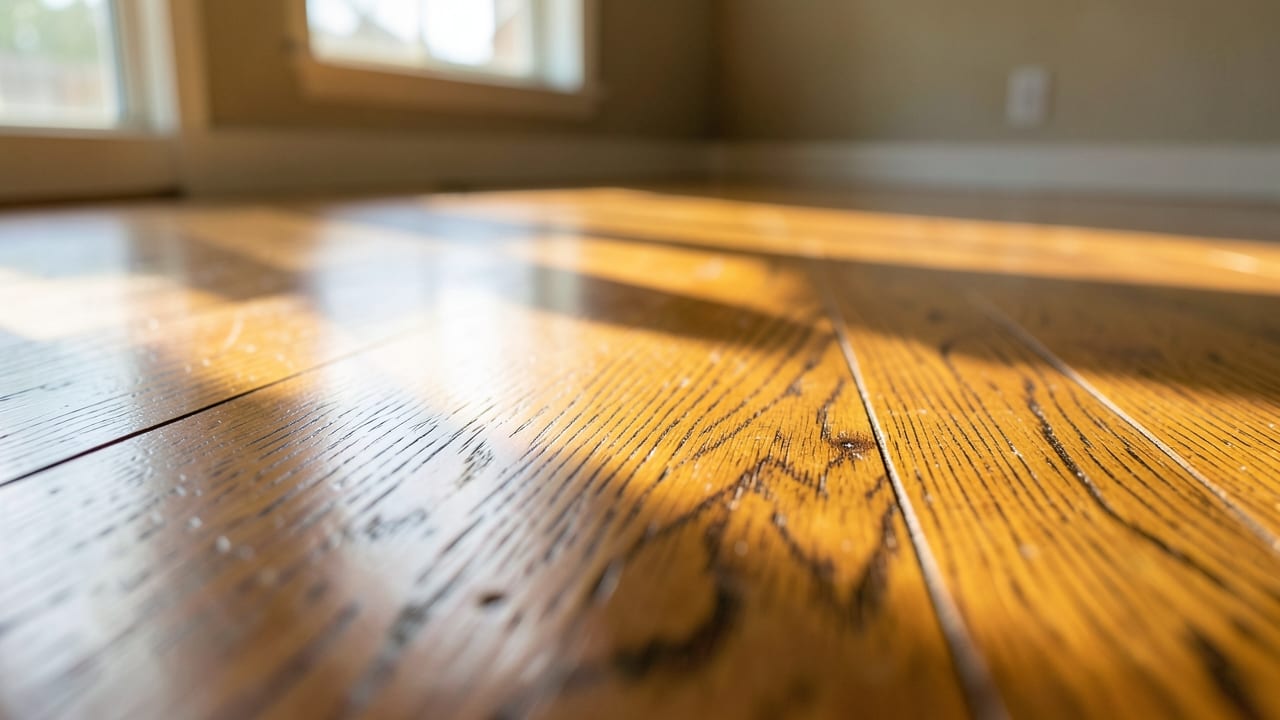
Water Damage Restoration in Brookline, MA
Water damage restoration in Brookline, MA — extraction and structural drying to stop mold growth before it starts, following a leak, storm, or flood.
Learn MoreCommon Questions About Mold Remediation in Brookline
Everything you need to know about mold remediation services in Brookline
How much does Condo Mold Remediation typically cost in Brookline, MA?
Why does Brookline, MA's humidity make mold a bigger risk than in drier regions?
Is black mold actually more dangerous than other mold types?
How long does a typical mold remediation job take?
Is it safe to stay in the home during mold remediation?
Can small mold problems be handled without hiring anyone?
Need Mold Remediation in Brookline?
Connect with local providers in Brookline for a detailed quote.
⏰ We answer your call • Serving all of Brookline and surrounding areas